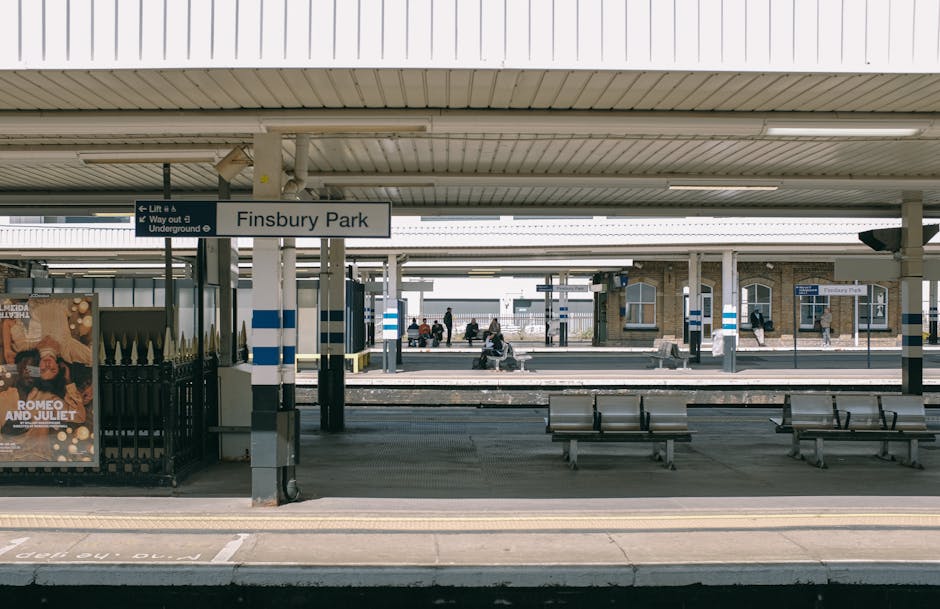
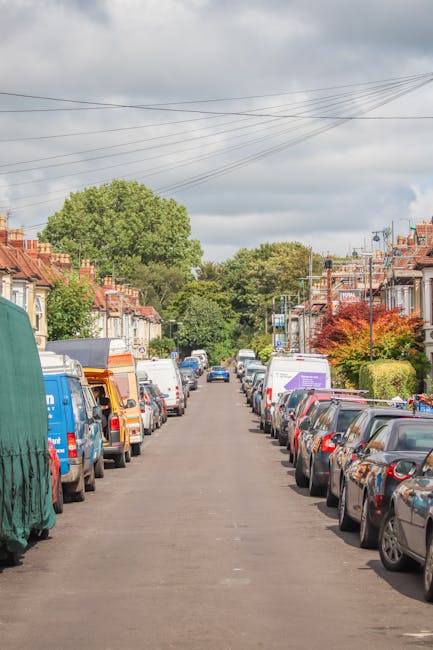
Removals Blackstock Road Finsbury Park Access Advice
If you are planning a move on or near Blackstock Road in Finsbury Park, the difference between a calm moving day and a stressful one often comes down to access. Not the boxes, not the van size, not even the weather. Access. A narrow street, a busy corner, a tight stairwell or nowhere sensible to stop can turn a simple job into a slow, sweaty puzzle. This guide gives practical Removals Blackstock Road Finsbury Park Access Advice so you can plan ahead, avoid the usual bottlenecks, and keep everything moving without the faff.
Whether you are moving from a flat above a shop, a shared house, or a family home with heavier furniture, the same basics apply: know where the vehicle can stop, measure the entry points, protect the building, and keep the route as clear as possible. You will also find sensible guidance on timing, common mistakes, and how to decide whether a man and van in Finsbury Park, a larger removal van in Finsbury Park or a full removals service in Finsbury Park is the better fit. Let's keep it practical.
Why Removals Blackstock Road Finsbury Park Access Advice Matters
Access is the hidden variable in almost every successful house move. On Blackstock Road, the issue is rarely just distance. It is the combination of road width, passing traffic, pavement space, nearby junctions, parked cars, bus routes, and the practical reality that somebody still has to carry your sofa from the property to the vehicle. That carry can be ten steps or fifty. Ten steps is lovely. Fifty steps in light rain, not so lovely.
Good access advice matters because it helps you estimate time properly, choose the right vehicle, and reduce the risk of damage. A crew that knows they can stop close to the entrance will move steadily. A crew that has to work around blocked kerbs, awkward bays, or a basement staircase will need extra patience and maybe extra labour time. That does not mean the move will go badly. It just means the plan needs to be honest.
For many households, the biggest pain point is not the moving itself but the uncertainty around it. Can the van wait outside? Is there room for a tail lift? Will the building manager complain if boxes are left in the lobby? These are the right questions. Ask them early, and half the stress disappears. Truth be told, most moving day problems start the night before, when nobody checked the basics.
If you are comparing service types, it can help to look at the broader picture too. Our services overview is useful if you want to understand how different move types fit different access conditions, and the pricing and quotes page gives a clearer sense of how the work is usually assessed. Access and price are linked more than people think.
How Removals Blackstock Road Finsbury Park Access Advice Works
Access planning is basically a small risk assessment for your move. You look at where the vehicle will stop, how furniture will come out of the property, how far the team will carry items, and what might slow everything down. It is not complicated, but it is easy to skip. And skipping it is exactly how people end up with a van parked three streets away and a rising sense of regret.
The process usually starts with a few details: property type, floor level, lift availability, stair width, loading restrictions, parking conditions, and any bulky or awkward items. A piano, for example, changes everything. That is why a dedicated piano removals Finsbury Park service is a very different conversation from a standard flat move. Heavy, fragile, or oversized items need a more careful route and a steadier plan.
Next comes the vehicle choice. A small man with a van in Finsbury Park can be ideal when access is tight and you want a nimble setup. A bigger vehicle is better when volume matters and the loading point is straightforward. In some moves, the real question is not "what is cheapest?" but "what will actually fit, safely and efficiently?" That is where local experience pays for itself.
Finally, you think about the day itself. Good movers will plan around the property rather than forcing the property to suit the move. That means protecting floors, keeping corridors clear, placing the van so unloading flows logically, and being realistic about timing. If the route from flat to van is awkward, the team should know that before they arrive, not after the first wardrobe gets stuck on a landing.
Key Benefits and Practical Advantages
The main advantage of proper access advice is simple: fewer surprises. But there are several knock-on benefits that matter just as much.
- Better time estimates: once the carry distance and parking conditions are understood, the move can be scheduled more honestly.
- Lower risk of damage: tighter routes and awkward turns are where scuffed walls, chipped furniture and strained backs tend to appear.
- Improved vehicle selection: the right van size saves needless shuttle trips and avoids overcommitting to a vehicle that cannot stop neatly.
- Less disruption to neighbours: on busy roads, efficient loading matters. Nobody enjoys a blocking van with nowhere to go.
- Less physical strain: shorter carry distances and clearer routes reduce the heavy lifting overhead. Simple but important.
There is also a confidence benefit. When you know the route, the loading spot, and the likely pinch points, the whole day feels calmer. And calm is underrated in removals. It makes people better at packing, better at decision-making, and less likely to label the kettle as "miscellaneous kitchen stuff" because they are rushing.
For properties with furniture that needs special handling, you may want to review the specifics of furniture removals in Finsbury Park. If you are moving out of a compact property with stairs, the page for flat removals Finsbury Park may also be relevant. Different building types create different access realities, and that is where mistakes often happen.
Who This Is For and When It Makes Sense
This guidance is for anyone moving on Blackstock Road or in the surrounding Finsbury Park area where the road layout, parking pressure or building access could complicate a straightforward load-up. That includes renters, homeowners, students, landlords, letting agents, and office managers planning a small relocation. If you already know the street is tight, busy or awkward, you are exactly the person who benefits from this kind of preparation.
It is especially useful when you are moving from:
- a first-floor or upper-floor flat with stairs only;
- a shared house with narrow internal hallways;
- an apartment with limited loading space;
- a property with large furniture, including wardrobes, beds, or exercise equipment;
- a move that needs to happen quickly, such as a same-day handover or short notice completion.
If your move is time-sensitive, same day removals Finsbury Park can be worth a look. That said, speed only works when access is clear enough for the team to do its job without delay. A rushed move on a difficult street is not really a shortcut. It is just a faster route to chaos.
Students moving into or out of local accommodation should also plan carefully, especially if they are juggling key collection times and stair-only access. The guidance on student removals Finsbury Park is helpful in that kind of situation, where timing and light-load efficiency matter more than anything else.
Step-by-Step Guidance
Here is the practical process we would recommend for a Blackstock Road move. It is not glamorous, but it works.
- Check the property access first. Note the floor level, lift size if there is one, corridor width, and whether the front door opens directly onto the street or into a shared entrance.
- Look at loading conditions. Can a vehicle stop close enough to keep carrying time sensible? Is there a curb issue, double parking risk, or a tight turning point nearby?
- Measure the awkward items. Sofas, mattresses, wardrobes, headboards and desks are the usual troublemakers. If it looks tight, it probably is.
- Decide on the right vehicle. A compact van can be easier on a narrow road; a larger van may reduce trips if the load is substantial.
- Pack by load order. Keep essentials accessible and group heavier items together so unloading is logical, not random.
- Prepare building protection. Floor coverings, corner protection, door control and sensible stacking all help reduce damage.
- Confirm timing with everyone involved. If there is a key handover, concierge window, or parking constraint, align the schedule properly.
- Keep a backup plan. If the main access point is blocked, know your alternative entrance or waiting point. Small detail, big difference.
A good mover will usually ask about these things, but it helps when you already have the answers. It shortens the conversation and improves the quote. If you want to get a feel for the service options before you book, it is worth browsing the broader removal services in Finsbury Park as well as the main removal companies Finsbury Park information. Comparison is easier when the basics are clear.
Expert Tips for Better Results
These are the small things that make a surprisingly large difference. Not every move needs a grand strategy. Sometimes it just needs better habits.
- Take a quick photo of the entrance and the street outside. It sounds basic, but a photo often explains access better than a long message.
- Clear the first metre of the hallway. That tiny space near the door matters a lot when people are carrying large items.
- Use colour or label cues. If the mover can instantly spot bedroom boxes, kitchen boxes, and fragile items, the whole load becomes easier to manage.
- Book a parking-friendly time where possible. Mid-morning or early afternoon can sometimes be easier than the noisiest rush windows, though local conditions do vary.
- Ask about carrying distance in advance. A van that can stop a little closer can save time, energy, and a few muttered words under the breath.
- Consider storage if access and timing do not line up. If the outgoing and incoming properties are not ready at the same time, temporary storage can take the pressure off.
If you are unsure whether storage is worth it, think about the amount of furniture you have, how quickly you need the move to happen, and whether the new place is truly ready. The storage in Finsbury Park page can help frame that decision. It is often the sensible middle ground, especially when access is awkward on one end and delayed on the other.
And a small local note: Blackstock Road can feel deceptively straightforward from a distance. Then you arrive at the exact doorway, and suddenly the last ten metres are doing all the work. That is why a local access check matters so much. It catches the awkward bits before they catch you.
Common Mistakes to Avoid
Most access issues are avoidable. The problem is that they look harmless until moving day. Here are the usual traps.
- Assuming the van can stop anywhere. Busy roads often look more flexible than they really are.
- Not measuring the stairwell or lift. A sofa that fits the room may still fail at the turn on the landing.
- Ignoring delivery and collection times. If the building has a restricted window, you need to work around it rather than hope for the best.
- Leaving packing too late. Rushing creates poor labelling, weak boxes and unnecessary delays.
- Forgetting about neighbours and shared spaces. A little courtesy goes a long way, especially in close residential buildings.
- Choosing the wrong service for the load. A tiny van can be fine for a few boxes, but not if you have bulky furniture and limited time.
There is one more mistake worth calling out: not being honest about the property condition. If the doorway is narrow, say so. If the lift is unreliable, say so. If the front step is awkward, say so. That is not embarrassing. It is useful. Movers are not mind readers, despite what some customers seem to hope on a Friday morning.
Tools, Resources and Recommendations
You do not need a complicated kit to plan access well. A few simple tools will do the job.
- Measuring tape: for doorways, stair turns, lifts and furniture dimensions.
- Phone camera: to document the entrance, street layout, and any parking restrictions you notice.
- Printed floor plan or room list: useful if the move involves multiple rooms or a team handing items into different spaces.
- Labels and markers: especially handy if boxes need to be unloaded in a specific order.
- Protective materials: blankets, wraps, floor coverings and tape used properly, not in a heroic last-minute scramble.
From a decision-making point of view, it also helps to use the website pages that explain service scope and process before you book. For example, the man and van Finsbury Park option is often suitable for smaller or more access-sensitive jobs, while the main house removals Finsbury Park page is a better fit for larger household moves. Different tools, different jobs. Simple, really.
If you are still at the planning stage, the article on man with a van Finsbury Park station access tips offers a useful local mindset for tricky urban access. Another helpful read is removals Stroud Green Road Finsbury Park N4 practical guide, which covers the kind of street-level thinking that applies very well to nearby roads too.
Law, Compliance, Standards, or Best Practice
For removals work, compliance is mostly about acting safely, protecting property, and respecting local traffic and parking rules. Exact requirements can vary by street and by building, so it is sensible to treat access planning as a best-practice exercise rather than a guess. You do not want to discover a restriction by waiting in the wrong place with a loaded van. That is the sort of thing that sounds funny later and feels terrible at the time.
Best practice usually includes:
- making safe stopping and unloading decisions before arrival;
- avoiding obstruction where possible;
- using suitable handling methods for heavy or fragile items;
- protecting floors, walls and shared areas;
- being transparent about limitations that may affect the move.
It is also sensible to understand the terms and conditions before you book. Service scope, responsibility for access issues, payment expectations, and cancellation rules can all matter if the day does not go exactly to plan. The same goes for insurance and safety, which should be reviewed carefully when you are moving valuable or fragile belongings. If you are especially keen on a transparent operator, the about us page can help you judge experience and approach in a straightforward way.
For broader operational confidence, there are also pages covering health and safety policy, payment and security, privacy policy, and terms and conditions. They are not the most exciting reading in the world, granted, but they are the kind of pages that matter when you want to know the rules before the truck arrives.
Options, Methods, or Comparison Table
Not every Blackstock Road move needs the same setup. Here is a simple comparison to help you decide what usually makes sense.
| Option | Best for | Access strengths | Watch-outs |
|---|---|---|---|
| Man and van | Smaller moves, student loads, a few bulky items | Easier to manoeuvre on tighter streets and quicker for short-distance loading | May require more trips if the load is larger than expected |
| Removal van | Medium-sized home moves and fuller loads | More capacity in one trip, efficient if loading point is manageable | Needs enough space to stop and work safely |
| Full removals service | Larger house moves, complex furniture, time-sensitive relocations | More support with packing, lifting and route planning | Usually the more involved option, so access details should be very clear |
| Storage plus move | Delayed handovers or split completion dates | Reduces pressure when access or timing is not aligned | Needs an extra planning step and may extend the overall process |
If you are weighing these choices, the right answer often comes down to the building more than the volume. A top-floor flat with a narrow stairwell can make a smaller service more efficient than a large van that cannot park neatly. On the other hand, a straightforward ground-floor house with normal parking may allow a larger setup to move more in one go. Context beats theory every time.
Case Study or Real-World Example
Here is a realistic example based on the kind of move people often make around Blackstock Road. A couple moving from a third-floor flat had a sofa, double bed, dining table, two bookcases, and roughly thirty boxes. On paper, it looked like a standard job. In practice, the stairwell was narrow at the turn, the entrance opened onto a busy street, and the nearest stopping point was not right outside the building.
Instead of assuming it would all work itself out, they checked the access details the day before. They measured the sofa width, photographed the entrance, and told the moving team about the stair turn. The team then planned a shorter carry route, used the right van size, and packed the truck in an order that made unloading quicker at the destination. No drama, no rush, no wall marks. A bit of weather, a bit of traffic, and that was about the extent of the excitement.
Expert summary: the best removals on busy Finsbury Park roads usually feel uneventful because the access plan was done properly beforehand. Quiet success is still success.
That is the point of access advice. It does not make a move glamorous. It makes it manageable. And honestly, manageable is what most people want on moving day.
Practical Checklist
Use this checklist before moving day. If you can answer most of these confidently, you are in decent shape.
- Have you measured the largest furniture items?
- Do you know whether there is a lift, and if it can take the items?
- Have you checked stair width and any awkward turns?
- Do you know where the van can stop safely?
- Have you considered whether parking or waiting restrictions might affect timing?
- Are boxes labelled by room and priority?
- Have you protected floors and corners if needed?
- Have you told the movers about fragile, heavy or awkward items?
- Is there a backup plan if the usual entrance is blocked?
- Have you confirmed key handover or building access times?
If the answer to any of those is "not yet", that is fine. Better to spot it now than while the van is outside and somebody is carrying a mattress through a doorway that is obviously too small. Been there, seen that, not ideal.
Conclusion
Removals Blackstock Road Finsbury Park Access Advice is really about one thing: making your move fit the street and the building, instead of hoping the street and building will cooperate. Once you understand the access, everything else becomes easier to plan, easier to quote, and easier to execute.
The most successful moves are usually the ones where the practical details were handled early. A clear stopping point, a sensible van choice, a measured route through the property, and honest communication about the awkward bits can save time, money, and a surprising amount of stress. Not every move will be perfect. But with the right preparation, it can be calm, efficient, and far less messy than people fear.
If you are still deciding how to approach your move, start with access, then build everything else around it. That one habit tends to pay off. Get a free quote today and see how much you can save.
And if you want a team that understands local streets, awkward entrances and the realities of moving in north London, do take a look around the site and reach out when you are ready. A good plan makes a good move. Simple as that.
Frequently Asked Questions
What is the main purpose of removals access advice for Blackstock Road?
The main purpose is to help you plan where the vehicle will stop, how far items will be carried, and what obstacles might slow the move down. On a busy local road, that planning can make a huge difference.
Do I need access advice if I am only moving a few boxes?
Yes, if the building or road is awkward. Even a small move can become inconvenient if parking is tight or the entrance is difficult to reach. Fewer items does not always mean fewer access issues.
How do I know whether I need a man and van or a larger removal van?
Think about both volume and access. A man and van can work well for smaller loads and tighter streets, while a larger van may suit a fuller home move if there is enough space to stop safely.
Should I measure the furniture before moving day?
Absolutely. Measure the widest and tallest items, especially sofas, wardrobes, beds and tables. It is much easier to spot a problem on paper than halfway through a stairwell.
What if there is no parking directly outside my property?
That is common in London. The key is to work out the nearest practical stopping point and be realistic about the carry distance. A little extra planning usually solves the issue.
Is access advice useful for flat moves?
Very much so. Flats often bring stairs, lifts, shared corridors and entry restrictions, so access planning is often more important than the number of boxes alone.
Can access issues affect the price of a removal?
They can, because longer carry distances, awkward staircases or complicated loading conditions may change the time and labour needed. That is why accurate access information helps produce a better quote.
What should I tell the removals team before the move?
Tell them the property type, floor level, lift size if relevant, parking situation, any awkward furniture, and any building rules that affect loading or access. The more specific you are, the better.
What is the biggest mistake people make with local access?
Assuming the van can simply stop wherever is convenient. On a busy road, that assumption can quickly unravel. Checking the access in advance is the safer bet.
Should I use storage if the access is complicated?
Sometimes, yes. Storage can help if your new place is not ready, if the move needs to be split, or if access at one end is too difficult to manage in one go.
Are there any safety steps I should take in the property?
Yes. Clear walkways, protect floors and corners, keep children and pets out of the moving route, and make sure heavy items are handled by people who know what they are doing. Safety first, every time.
Where can I learn more about the company and its policies?
You can review the site's pages covering services, about information, health and safety, insurance, payment, and terms. Those pages help you understand the approach before booking anything. A bit of homework never hurts.
What is the next sensible step after reading this guide?
Take a few photos, measure the awkward items, and request a quote with honest access details. That one step usually turns a vague moving plan into something much more solid.