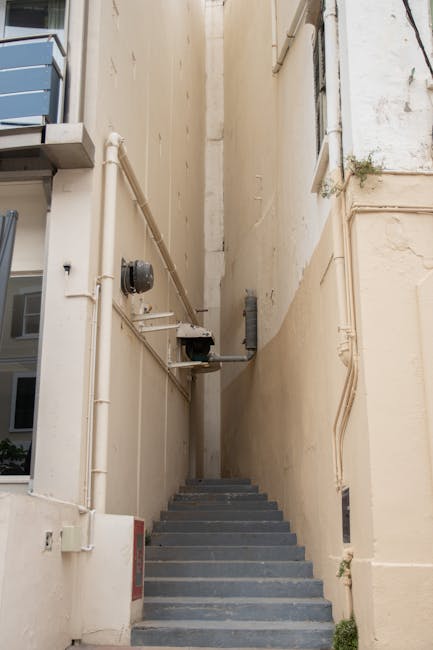
Tight access removals Finsbury Park narrow stairs solutions
If you are dealing with a move in Finsbury Park and the staircase feels more like a squeeze than a route, you are not alone. Tight access removals Finsbury Park narrow stairs solutions are built for those awkward London properties where standard moving plans just do not fit. Think steep stairwells, tight landings, shared hallways, and that one corner where a sofa seems to lose all faith in humanity. The right approach saves time, protects your belongings, and makes the day feel far less chaotic.
This guide explains how tight access removals work, what makes them safer and more efficient, and how to decide whether you need specialist help. You will also find practical tips, common mistakes to avoid, a comparison of methods, and a real-world style example so you can picture how the process usually plays out.
Why Tight access removals Finsbury Park narrow stairs solutions Matters
Finsbury Park has plenty of homes where access is not straightforward. Older conversions, maisonettes, upper-floor flats, basement properties, and period buildings often come with narrow staircases, awkward turns, limited parking, and front doors that open into very little space. In that setting, a move can become difficult fast.
Why does that matter? Because the biggest risks in a tight move are not usually dramatic. They are the small things: a chipped wall, a strained back, a damaged banister, a sofa that gets wedged halfway up the stairs, or a removal team losing time because they had to keep re-planning on the fly. To be fair, most problems on move day happen before the first box even leaves the flat.
Specialist tight access removals are designed around these realities. They look at the whole route, not just the item being moved. That includes stair width, ceiling height, landing space, turning angles, floor protection, carry distances, and whether parking or loading is likely to be a hassle. In busy parts of North London, those details matter just as much as the truck.
There is also the human side of it. If you are moving after work, with children in the house, or under a building manager's time restriction, you do not want a long, stressful battle with a wardrobe that refuses to cooperate. A well-planned tight access move keeps the day calmer and more predictable. Less drama. Fewer surprises.
Expert summary: The best tight access move is usually the one planned around the route first, the furniture second, and the clock last. That ordering sounds simple, but it changes everything.
How Tight access removals Finsbury Park narrow stairs solutions Works
Tight access removals work by breaking the move into smaller, safer, more manageable decisions. Instead of assuming standard lifting methods will fit, the team checks how each item can be handled through the property from start to finish. Sometimes that means careful manual carrying. Sometimes it means partial dismantling. Sometimes it means using specialist protective gear or a different loading sequence.
Here is the core idea: every object has an easier path and a harder path. The job is to find the easier one.
In practice, a tight access move often begins with a survey or a detailed phone assessment. You may be asked about stair width, bannister clearance, lift access if any, the size of large items, parking restrictions, and whether there are awkward bends or low ceilings. In our experience, the more honest and specific you are here, the smoother the day becomes. A slightly frustrating truth, perhaps, is that "it should fit" is not a measurement.
Once the access plan is clear, the crew chooses the right method. That can include:
- disassembling beds, tables, wardrobes, or modular furniture
- protecting stairs, banisters, floors, and corners with covers or padding
- using straps, dollies, sliders, and lifting aids where appropriate
- reversing the loading order so large items leave first
- assigning enough people to keep control on turns and landings
- planning carry routes to reduce the number of awkward pivots
For a narrow staircase, the goal is usually to keep movement steady and controlled rather than fast. Rushing is what causes most errors. A careful move can look a bit slower at first, but by lunchtime it is often the one that is already halfway done while everyone else is still untangling a mattress protector. That is the difference.
There is also a communication side to it. A good removal team will keep you informed, let you know when an item is safer in pieces, and explain where a compromise is sensible. If a wardrobe can be safely split and rebuilt, great. If it cannot, you need to know that early, not at the bottom of the stairs with two people making strained eye contact.
Key Benefits and Practical Advantages
The obvious benefit is that your belongings are more likely to arrive intact. But the real value of tight access removals goes beyond damage prevention. It helps the whole move feel more controlled, especially in a neighbourhood where streets can be busy and properties are rarely built with moving vans in mind.
- Reduced risk of damage: Careful handling and route planning protect walls, stairs, furniture, and door frames.
- Better use of space: Items are moved in the right order and often with partial dismantling, so the route works with the building instead of against it.
- Less physical strain: This matters for heavy items and awkward shapes. Narrow stairs can put extra pressure on backs, shoulders, and knees.
- More accurate timing: A planned approach helps avoid those long pauses where everyone is wondering whether the sofa will pivot or simply refuse.
- Lower stress: Let's face it, moving is already enough of a headache. You do not need the staircase joining the argument.
- Better protection for shared buildings: Common hallways, stairwells, and communal entrances are easier to keep tidy and damage-free.
Another practical advantage is flexibility. Tight access methods are often useful not only in narrow staircases, but also in loft conversions, basement flats, maisonettes, and properties with split-level layouts. If a building feels slightly awkward to move through, it usually is awkward, and specialist handling tends to pay off.
And yes, it can save time overall. People sometimes assume more care means more delay, but that is not always true. A team that knows how to handle difficult access can avoid repeated stops, backtracking, and improvised lifting. That makes the whole day feel steadier.
Who This Is For and When It Makes Sense
This kind of service is not only for huge furniture or dramatic staircases. It is for anyone whose property access adds risk, effort, or uncertainty to the move.
You are a good fit for tight access removals if:
- your stairwell is narrow, steep, or has a tight turn
- you live in a converted house, top-floor flat, basement flat, or period property
- large furniture must pass through small landings or low ceilings
- you are moving in or out of a shared building with limited space
- your access route includes awkward internal doors or fragile finishes
- there are parking or loading limits close to the building
- you are moving on a schedule where delays would be costly or stressful
It also makes sense if you simply do not want the moving day to become a trial by staircase. That is a perfectly reasonable position. Not everything needs to be a heroic DIY challenge.
For landlords, estate agents, and letting managers, specialist removal planning can also reduce complaints and avoid unnecessary damage in communal areas. If the building has a history of scuffed walls and scratched bannisters, a proper access plan is worth having. It is the sort of thing people only notice when it goes wrong, which is annoying, because prevention is usually the quieter win.
Families, older residents, and anyone relocating under time pressure often benefit as well. The more complicated the move, the more useful it is to have a team that has seen this sort of thing before and knows how to keep the day moving.
Step-by-Step Guidance
If you are preparing for a move with narrow stairs, a clear process will help. Here is the practical order that usually works best.
- Measure the access route. Check stair width, landing space, ceiling height, doorway clearance, and any bends or awkward corners. Measurements do not have to be perfect to the millimetre, but rough guesses are risky.
- List every large item. Beds, wardrobes, sofas, appliances, desks, mirrors, and bookcases deserve special attention. A small item list hides big problems.
- Identify anything fragile or valuable. Glass, antiques, flat-pack furniture with weak joints, and bespoke items may need extra care or a different approach.
- Confirm parking and loading access. In parts of Finsbury Park, finding space close to the building can be just as tricky as the staircase itself.
- Decide what should be dismantled. Some furniture is much easier and safer in sections. If it is already wobbling before the move, dismantling is usually wise.
- Protect the property. Floor runners, corner guards, and banister wrapping help avoid preventable damage.
- Load in the right order. The easiest route should guide the sequence, not the other way around.
- Brief everyone involved. If family, friends, or building staff are helping, make sure everyone knows where to stand and when to stay out of the way. A crowded landing is nobody's friend.
A simple rule helps here: if an item feels borderline, treat it as a special case. Borderline items cause delays. True story, more often than not. A wardrobe that looks fine in the hallway may be a different story at the second turn of the stairs.
It is also smart to photograph difficult access points before moving day. That gives you a clearer record of tight corners, unusual fittings, or any pre-existing marks on walls and woodwork. Nothing dramatic, just a sensible habit.
Expert Tips for Better Results
A few small decisions can make a tight access move noticeably easier. These are the tips that matter in real homes, not just on paper.
- Start with the hardest item. If the biggest sofa or wardrobe can clear the stairs, the rest of the move usually feels easier.
- Keep the route clear. Shoes, plants, laundry baskets, bikes, and random bits of hallway clutter have a habit of appearing at the worst possible moment.
- Use proper protection early. Do not wait until the first scrape to think about floor coverings.
- Take doors off only when needed. It can help, but only if you keep hardware organised. Small screws have a talent for disappearing.
- Communicate before lifting. Say who is leading, who is spotting, and when to stop. Guesswork is not a strategy.
- Check the weather for the loading stage. Wet steps, muddy entrances, and rainy pavements can make difficult access more slippery and less safe.
- Leave some buffer time. Tight access moves rarely benefit from a schedule so packed it squeaks.
One practical insight many people miss: the best route is not always the most obvious route. Sometimes the rear entrance, side passage, or alternative stairwell is more workable, even if it means a slightly longer carry. A few extra metres can be much easier than a brutal turning angle.
If you are the one coordinating the move, try not to keep changing the plan on the day unless you must. Adjustments happen, of course, but constant switching creates confusion. And confusion on a staircase is not charming. It is just messy.
Common Mistakes to Avoid
Most tight access problems are avoidable. Not all of them, but a surprising number.
- Underestimating the staircase: A stairwell can look fine until a mattress arrives and suddenly it is performing geometry.
- Forgetting internal obstacles: Radiators, light fittings, bannisters, low ceilings, and narrow landings all affect how items move.
- Not measuring the largest item properly: Guessing the dimensions of a wardrobe is a risky hobby.
- Assuming everything can stay assembled: Some pieces may need dismantling or they simply will not pass safely.
- Skipping property protection: A tiny mark in a communal hallway can become a big issue later.
- Overcrowding the route: Too many people near the stairs makes lifting harder, not easier.
- Leaving parking arrangements too late: In London, that can turn into a long and irritating delay.
Another mistake is not speaking up when something feels wrong. If an item seems unsafe, say so. A good removal plan should be flexible enough to adapt. It is better to pause and rethink than to force an awkward lift and hope for the best.
Truth be told, a lot of moving trouble comes from optimism. Useful optimism, maybe, but still optimism. The stairs do not care how confident you feel.
Tools, Resources and Recommendations
Tight access removals rely on the right kit, but the point is not to throw equipment at a problem. It is to use the right tools in the right order.
Commonly useful items include:
- Furniture blankets and wraps for padding frames and finishes
- Corner protectors for walls and sharp edges
- Floor runners to reduce scuffs and dirt transfer
- Straps and lifting aids for controlled handling
- Dollies and sliders for safe movement where floors and surfaces allow it
- Basic dismantling tools for beds, tables, and modular furniture
- Labels and bags for fixings so bolts and fittings do not vanish into the void
It also helps to prepare a simple access pack before moving day. Keep tape, a marker pen, bin bags, spare cloths, bottled water, and a phone charger nearby. Not glamorous, no. Very useful, yes.
If you are choosing a removal company, ask how they typically handle narrow stairs, whether they bring protective materials, and whether they can dismantle and rebuild furniture if needed. The answers should sound specific, not vague. You want to hear how they think, not just what they own.
If you are arranging a broader move and need related support, some people also look into house clearance services in London when a property contains items that should not be taken to the new place. Others combine the move with office clearance support if they are handling a workspace at the same time. These can be useful options when the job involves more than just transporting boxes.
Law, Compliance, Standards, or Best Practice
For removals, the most relevant concerns are usually safety, property care, and practical compliance with building rules rather than heavy legal complexity. Still, best practice matters.
In shared buildings across London, you may need to respect lease terms, fire safety routes, lift rules, noise considerations, and access windows set by a managing agent or landlord. If the property has communal hallways or stairwells, you should avoid blocking exits and keep the route as clear as possible. That is common sense, but it is also the kind of common sense people appreciate after the fact.
Removal teams should also work in a way that reduces manual handling risk. In plain English, that means not overloading one person, not forcing a lift that needs more hands, and not using a route that is obviously unsafe. Good teams adapt. They do not pretend a difficult staircase will become easy if they just lean harder.
If you are moving bulky items, fragile items, or anything with awkward weight distribution, the safest approach is to assess the route before lifting. That is especially important in narrow stairs solutions, where one misstep can damage both the item and the property.
Best practice also includes clear communication with neighbours if access will be busy, particularly in smaller blocks where everybody shares the same hallway. A brief heads-up can prevent a lot of irritation. Small courtesy, big payoff.
Options, Methods, or Comparison Table
There is no single method for every tight access move. The right choice depends on the item, the staircase, the building, and how much risk you are willing to tolerate. Here is a simple comparison.
| Method | Best for | Strengths | Limitations |
|---|---|---|---|
| Manual carry with protection | Most furniture and boxed items | Flexible, direct, often quickest for manageable items | Needs enough space and proper teamwork |
| Partial dismantling | Wardrobes, beds, tables, shelving | Reduces width and awkward turns | Takes time and careful reassembly |
| Specialist lifting aids | Heavy or awkward items | Improves control and reduces strain | Not suitable for every surface or layout |
| Alternative route planning | Properties with more than one access point | Can avoid the worst staircase completely | May require longer carry distance |
| Item replacement instead of moving | Damaged, low-value, or oversized furniture | Simplifies the move and reduces risk | Only sensible for the right items |
As a rule, the safest method is the one that matches the item rather than forcing the item to match the method. Simple idea. Very useful in real life.
If you are undecided between dismantling or carrying an item intact, think about three things: weight, width, and fragility. If two of the three are working against you, dismantling often wins. If all three are awkward, it probably needs a more careful plan or a different solution altogether.
Case Study or Real-World Example
Imagine a two-bedroom flat near Finsbury Park with a narrow internal staircase, a tight first-floor landing, and a sofa that looks manageable until you try to turn it. The property also has a shared entrance and limited parking outside. Classic situation, really.
On the day, the crew would normally begin by checking the route, protecting the bannister and floor, and identifying the item most likely to cause trouble. In this case, the sofa and double bed frame would be the first focus. The bed frame might be dismantled before being carried, while the sofa could be assessed for whether it could pass upright or whether a different angle would work better.
Instead of dragging everything to the stairs and hoping, the team would stage items near the exit, keep the landing clear, and move in a planned order. One person would guide the turn, another would control the weight, and a third might help spot on the corners. That coordination is what stops the move from turning into a slow-motion wrestling match.
By the end, the items would be out without wall damage, the communal hallway would still look respectable, and the move would feel orderly rather than frantic. That is the goal. Not perfection, just a day that stays under control.
The lesson from this kind of move is simple: success is usually built in the planning stage, not at the point where the stairs become awkward. The more specific the setup, the fewer nasty surprises you get.
Practical Checklist
Use this checklist before moving day. It is not fancy, but it helps.
- Measure stair width, landings, and doorways
- List all large and fragile items
- Decide what needs dismantling
- Confirm parking and loading access
- Check for communal rules or time restrictions
- Protect floors, walls, and bannisters
- Prepare labels, tools, tape, and fixings bags
- Clear hallways, entrances, and stairwells
- Tell everyone the lifting plan in advance
- Leave a buffer for delays and awkward turns
- Photograph any existing marks or damage before the move
- Keep water, gloves, and phone chargers handy
If you can tick most of those off, you are already in much better shape than most people are on moving week. And honestly, that is a nice place to be.
Conclusion
Tight access removals in Finsbury Park are all about respecting the building, the furniture, and the people doing the lifting. Narrow stairs do not need to become a disaster. With the right measurements, careful planning, proper protection, and a method that fits the route, even a tricky move can feel calm and manageable.
What matters most is matching the solution to the space. That means planning before lifting, dismantling when needed, and staying realistic about what a staircase can safely handle. If you do that, you reduce stress, protect your belongings, and make the move far less tiring than it otherwise would be.
Get a free quote today and see how much you can save.
Sometimes the best moving day is the one that quietly gets the job done, with no drama and no dents. Nice and steady. That's the one.
Frequently Asked Questions
What are tight access removals in Finsbury Park?
They are removals planned for homes or buildings with limited space, such as narrow stairs, tight landings, awkward corners, or restricted parking. The aim is to move items safely without forcing them through unsuitable routes.
How do you move furniture up or down narrow stairs safely?
Safe movement usually involves measuring the route, protecting the property, controlling the lift with enough people, and dismantling items where needed. The exact method depends on the size and shape of the furniture and the staircase.
Do all items need to be dismantled for a tight access move?
No. Many items can be carried intact if the route allows it. Dismantling is only used when it improves safety or makes the item fit more comfortably through the space.
Can a sofa or wardrobe be moved through a very narrow stairwell?
Often yes, but not always in one piece. The answer depends on the item's dimensions, the turning space, the stair angle, and whether the route has low ceilings or tight corners.
What should I measure before booking a removal service?
Measure the stair width, landing space, doorway widths, ceiling height where possible, and the dimensions of your largest items. A rough but honest set of measurements is much better than guesswork.
Is it more expensive to use tight access removal services?
It can be, depending on the difficulty of the access and whether extra time, labour, or dismantling is needed. That said, specialist planning may help avoid damage and delays, which can save money overall.
How early should I arrange a move with narrow stairs?
As early as you can, especially if your building has parking restrictions, building management rules, or a tricky internal layout. Early planning gives more room to solve problems before moving day.
What if my building has communal hallways or shared access?
Then it is sensible to protect shared areas, keep them clear, and follow any rules set by the landlord or managing agent. Courtesy matters too, because shared spaces are easy to damage if people rush.
Can tight access removals help with flats above ground floor level?
Yes. In fact, upper-floor flats are one of the most common reasons people need this kind of service. The narrower the staircase and the tighter the turning space, the more useful specialist planning becomes.
What are the biggest mistakes people make with narrow stairs removals?
The most common mistakes are underestimating the staircase, forgetting to measure large furniture, leaving parking too late, and not protecting walls or floors. Most of these are avoidable with a proper plan.
Do I need to be present during the move?
It helps if you are available for key decisions, especially if furniture needs dismantling or if the access route changes on the day. You do not need to hover over every lift, but being reachable is a good idea.
What happens if an item does not fit after all?
A good team will pause, reassess, and look for an alternative such as dismantling, a different angle, or a revised route. Forcing the item is rarely the right answer. That is how damage happens.